

If you’ve searched “tennis elbow” on Reddit, you’ve probably seen posts like:
-
“It’s been a year and I’m still in pain.”
-
“Nothing worked. I ended up with surgery.”
-
“It keeps coming back.”
It’s easy to spiral.
But here’s the truth:
Most people with tennis elbow do NOT need surgery.
Let’s separate fear from facts.
What Is Tennis Elbow?


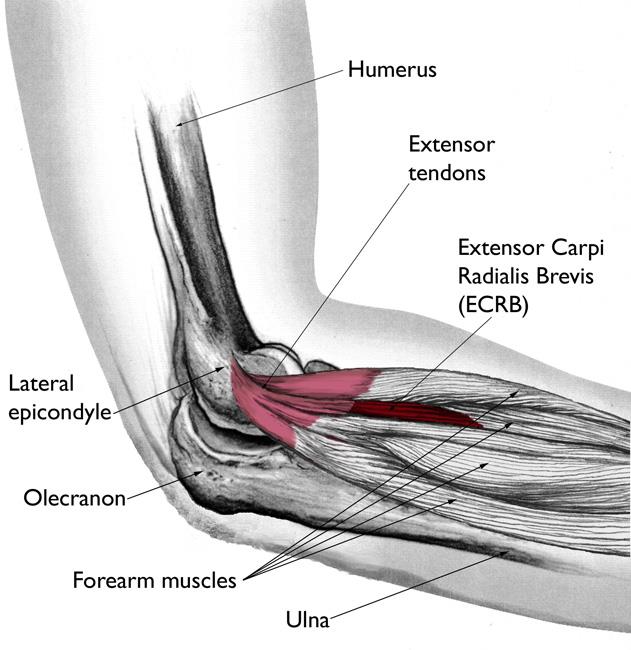
Tennis elbow, medically known as lateral epicondylitis, is not actually a joint problem.
It’s a tendon overload issue.
Specifically:
-
Repetitive gripping
-
Wrist extension under load
-
Micro-tearing of the forearm extensor tendons
Common causes include:
-
Long hours of typing or mouse use
-
Weightlifting
-
Manual labor
-
Repetitive household tasks
-
Racquet sports (despite the name)
And no — you don’t have to play tennis to get it.
The Big Question: Is Surgery Necessary?
Short answer: Rarely.
Studies consistently show:
Around 80–95% of tennis elbow cases improve with conservative treatment.
Surgery is typically considered only when:
-
Pain persists for 6–12+ months
-
Structured rehab fails
-
Imaging shows severe tendon degeneration
-
Daily life is significantly impaired
Even then, many physicians try additional non-surgical treatments first.
Reddit makes it sound common because people who recover quietly don’t keep posting updates. Those struggling the most are the loudest voices.
That’s not statistics — that’s selection bias.
Why Does It Last So Long?
Here’s what people don’t always understand:
Tennis elbow is often degenerative, not just inflammatory.
That means:
-
It heals slower
-
It needs gradual loading
-
It requires patience
Typical recovery timelines:
-
Mild: 6–8 weeks
-
Moderate: 3–6 months
-
Severe: 6–12 months
Slow doesn’t mean hopeless.
It means tendons need time.
What Actually Helps (Before Even Thinking About Surgery)
1. Load Management
Reduce repetitive strain. You don’t have to stop life — just stop provoking it constantly.
2. Eccentric Strength Training
Slow, controlled wrist lowering exercises are one of the most evidence-supported approaches.
3. Mobility & Soft Tissue Work
Gentle forearm stretching and gradual strengthening.
4. Strategic Support
Using the right brace can significantly reduce tendon strain during activity.
Do Elbow Braces Actually Help?

Yes — when used correctly.
A counterforce elbow brace (forearm strap worn just below the elbow) works by:
-
Redistributing load away from the irritated tendon
-
Reducing peak stress during gripping
-
Allowing activity with less strain
What It Does NOT Do:
-
It doesn’t “heal” the tendon instantly
-
It doesn’t replace rehab exercises
-
It doesn’t fix overuse if habits don’t change
What It CAN Do:
-
Reduce pain during activity
-
Allow you to continue light movement safely
-
Prevent worsening during recovery
The key is placement:
-
1–2 inches below the elbow
-
Snug but not cutting off circulation
-
Used during activity, not 24/7
Think of it as a load-management tool, not a miracle cure.
When Should You Actually Worry?
Red flags that warrant medical evaluation:
-
Severe swelling
-
Sudden loss of strength
-
Numbness or tingling (possible nerve involvement)
-
Pain that doesn’t improve at all after months of structured rehab
Otherwise, most cases respond well to conservative care.
The Real Danger Isn’t Avoiding Surgery
The real problem is:
-
Ignoring pain and pushing through
-
Relying only on injections
-
Wearing a brace but continuing aggressive overuse
-
Skipping structured rehab
Recovery requires strategy.
Final Thoughts
Tennis elbow is frustrating.
It can linger.
It can test your patience.
But in the overwhelming majority of cases, it does not require surgery.
Don’t let online horror stories convince you that you’re doomed.
Most people recover.
Slowly.
Gradually.
With the right approach.
And if you’re early in your journey, you’re probably still very much in the recoverable phase.


